Set Design Visualizations for Salter Studios
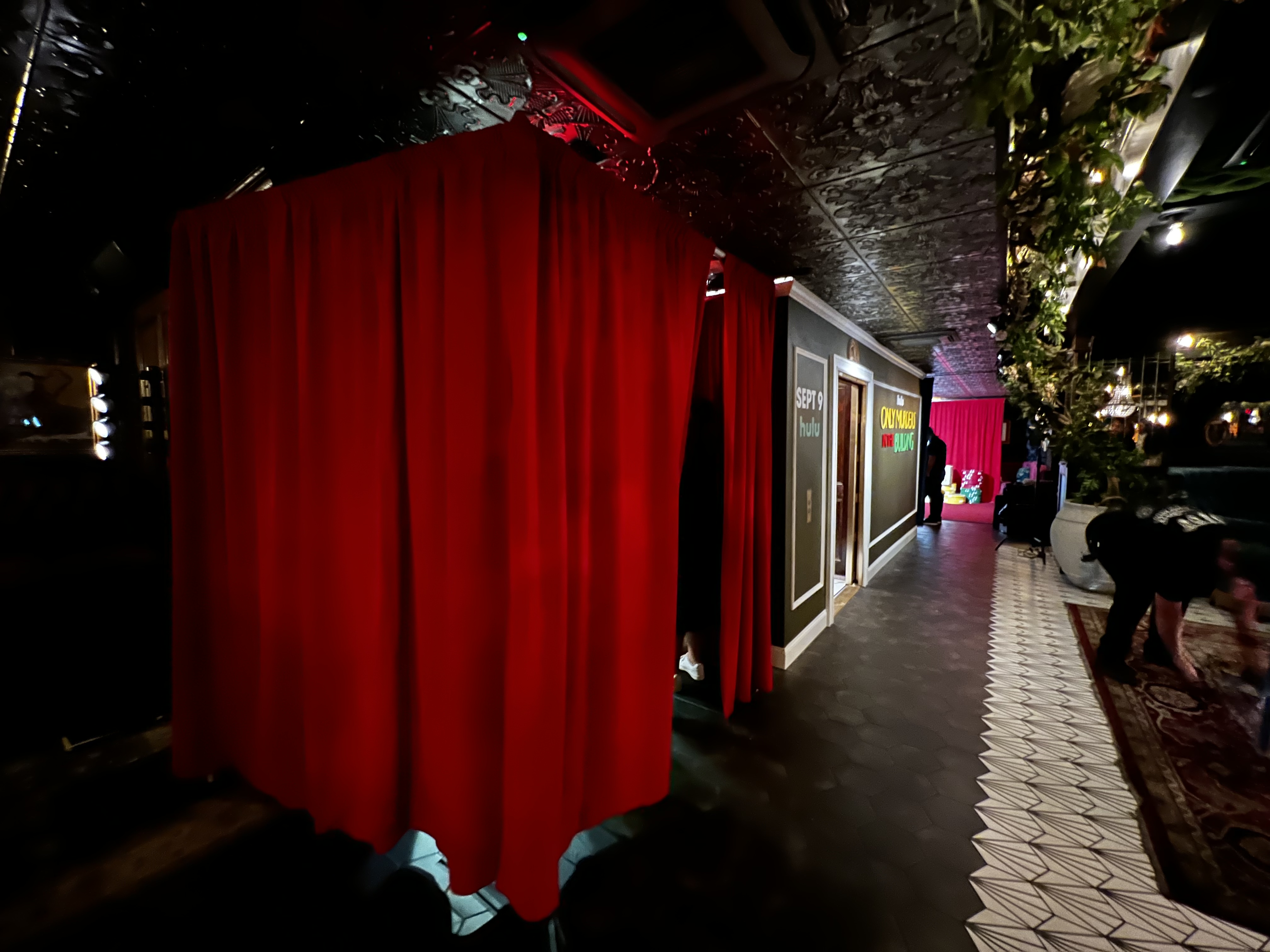
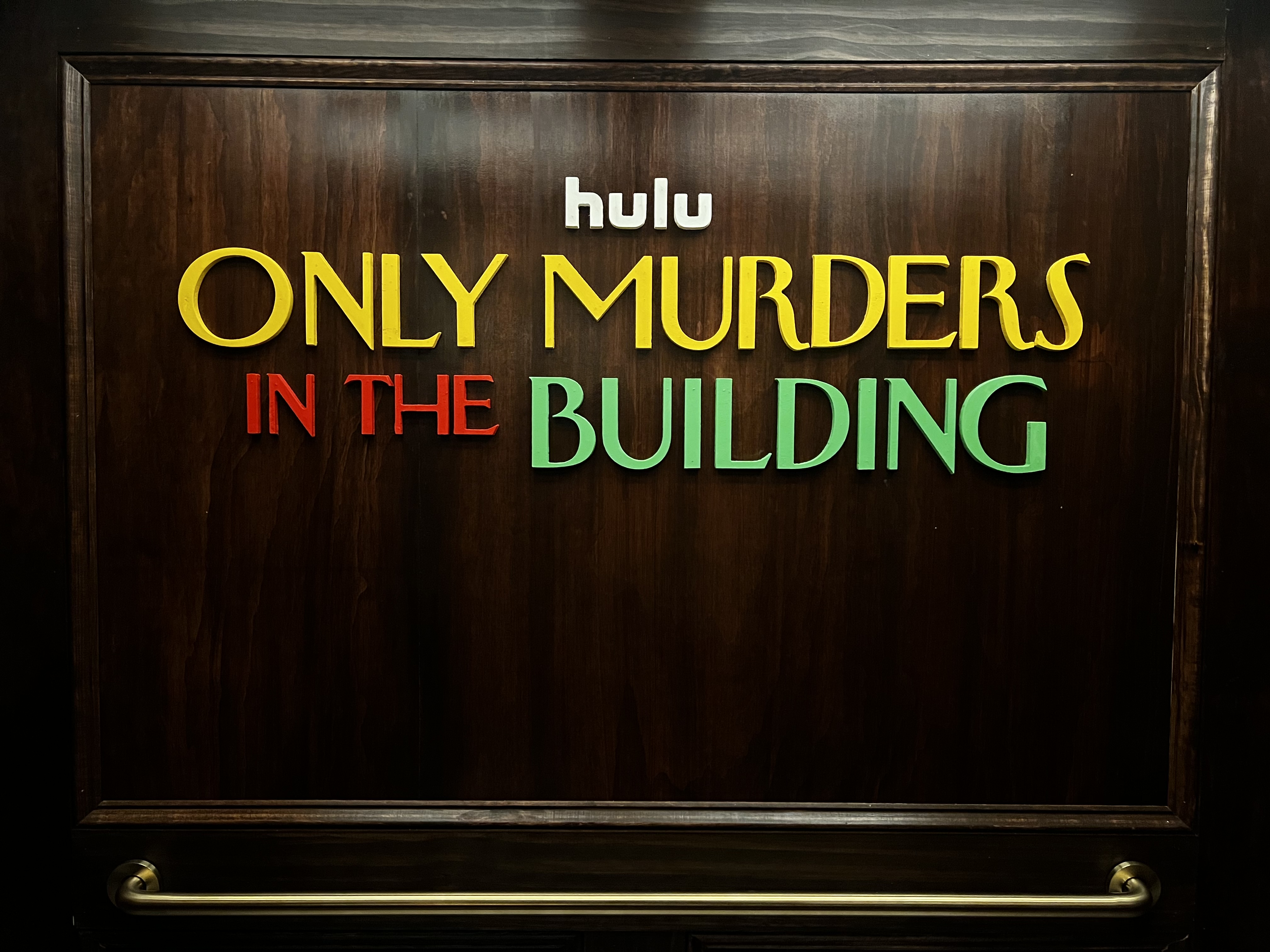
3D visualization work helping Salter Studios communicate set design concepts before production begins.
A Decade of Fast Turnarounds
Ian Salter is a set designer and creative director whose work spans fashion, film, and media. The kind of creative whose briefs arrive fully formed and need to be built yesterday. I've been his 3D collaborator for over a decade, translating his spatial ideas into tight-deadline renders and visualizations that can be pitched to clients before a single physical element exists. When Ian has a week, I have a day. That constraint is the whole game.
AI Briefs, Real Geometry
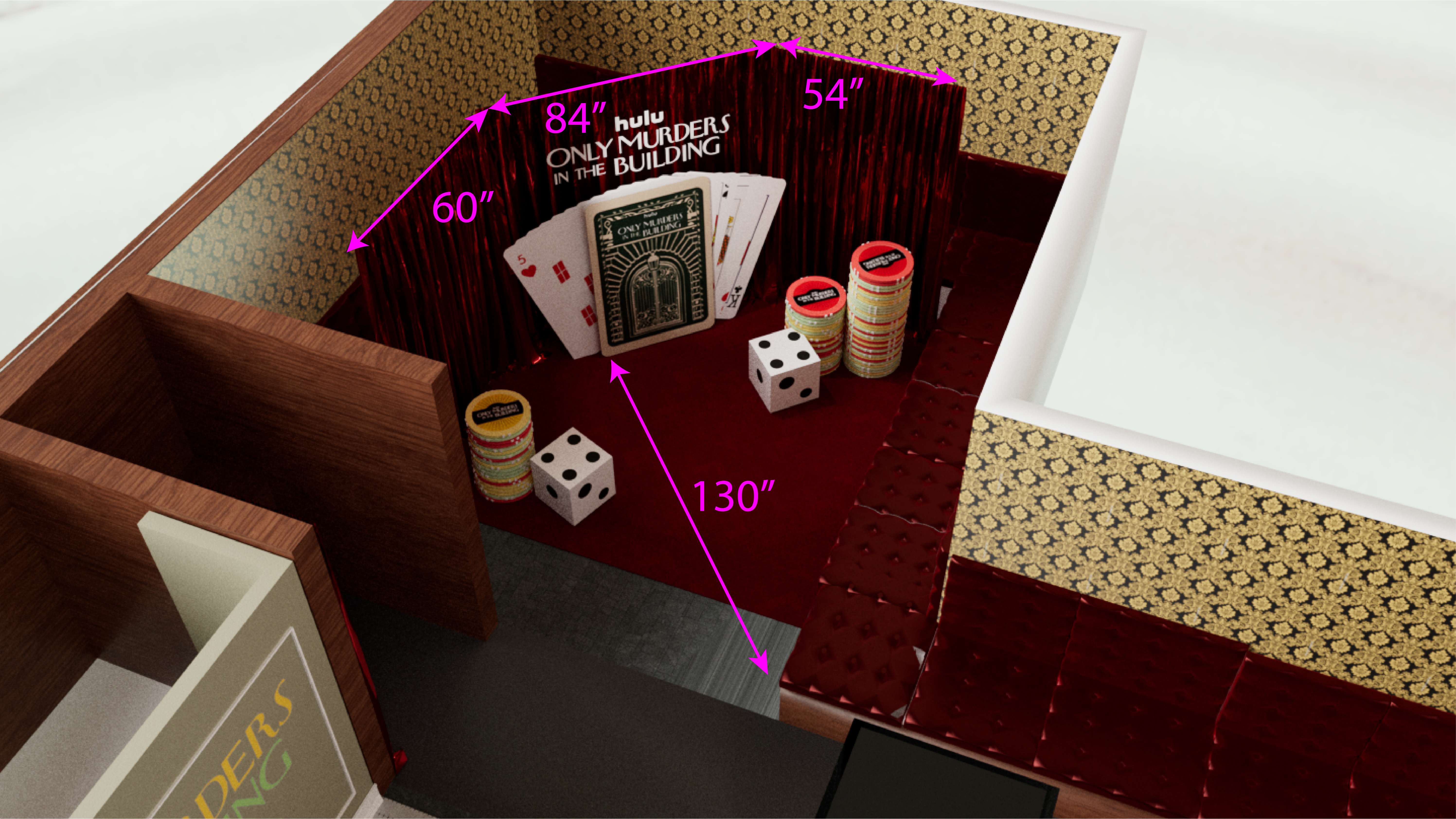
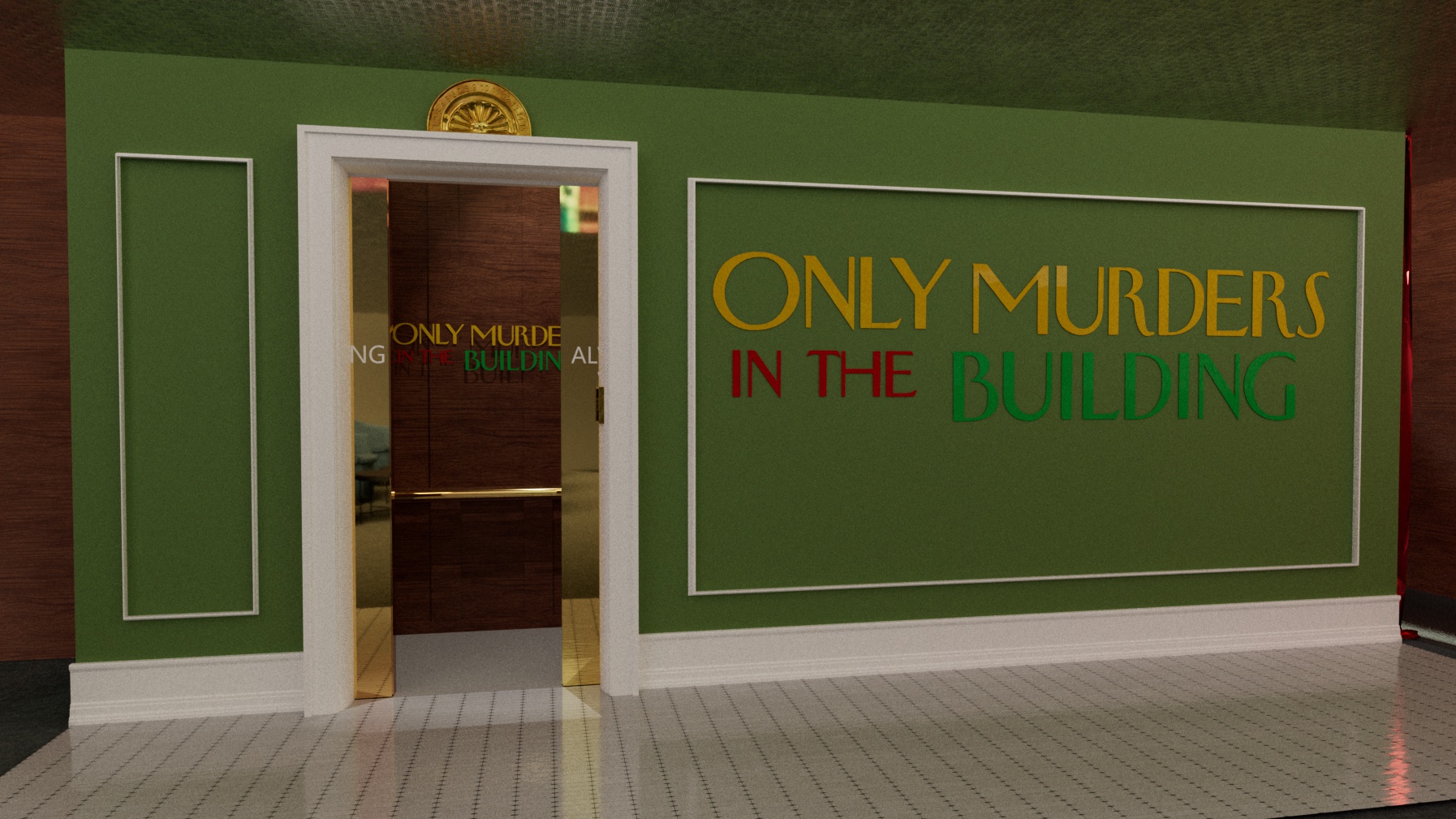
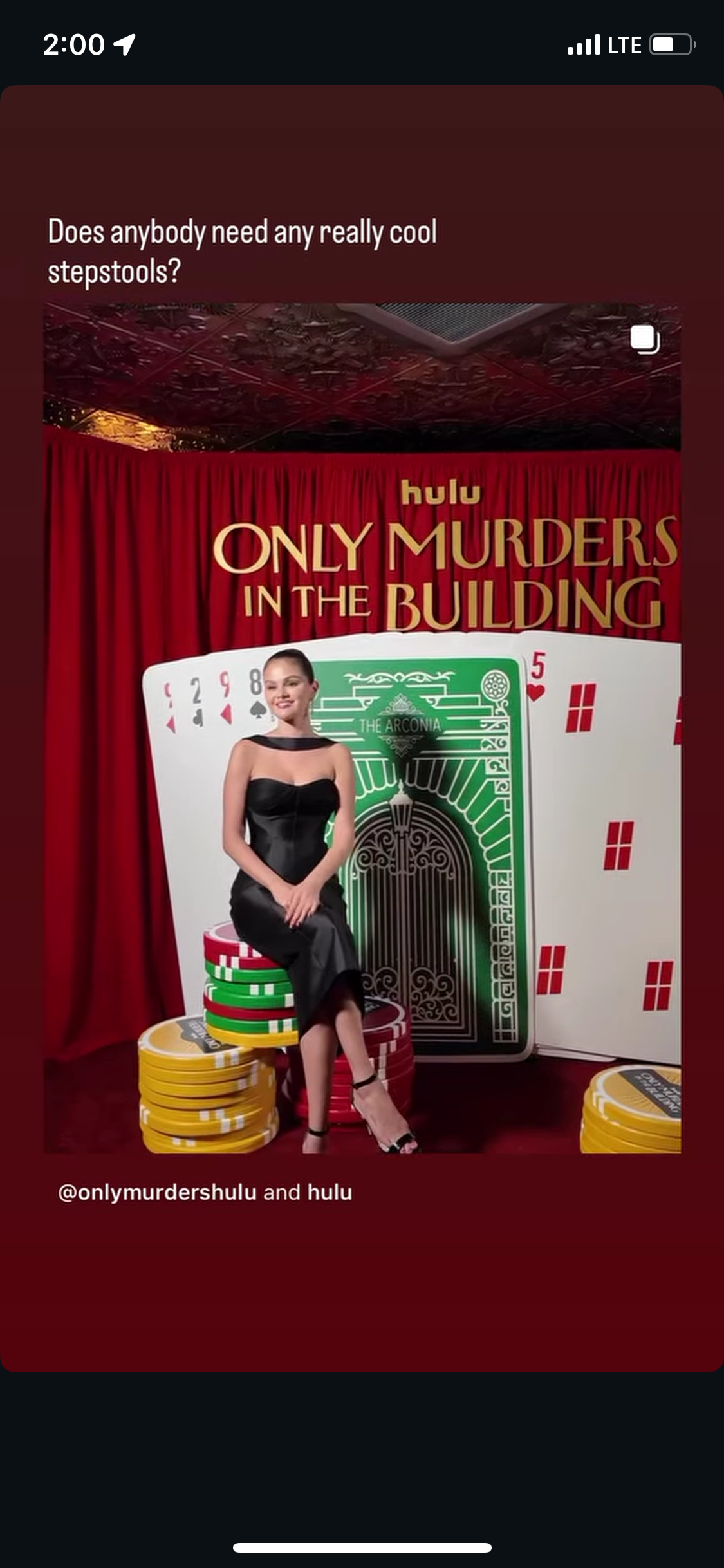
As AI image generation has embedded itself into the creative process, client asks have stopped being limited by what anyone can describe and started being limited only by time and budget. Ian regularly works from AI-generated references. Images that look convincing on screen but contain zero structural information: impossible sight lines, furniture that doesn't fit the laws of physics, rooms that couldn't be built. My job is to take those images seriously as creative intent and reconstruct them as real geometry: objects modeled to accurate dimensions, placed in space at scale, rendered from camera heights and angles that would actually exist on a real set.
From Reference to Reality
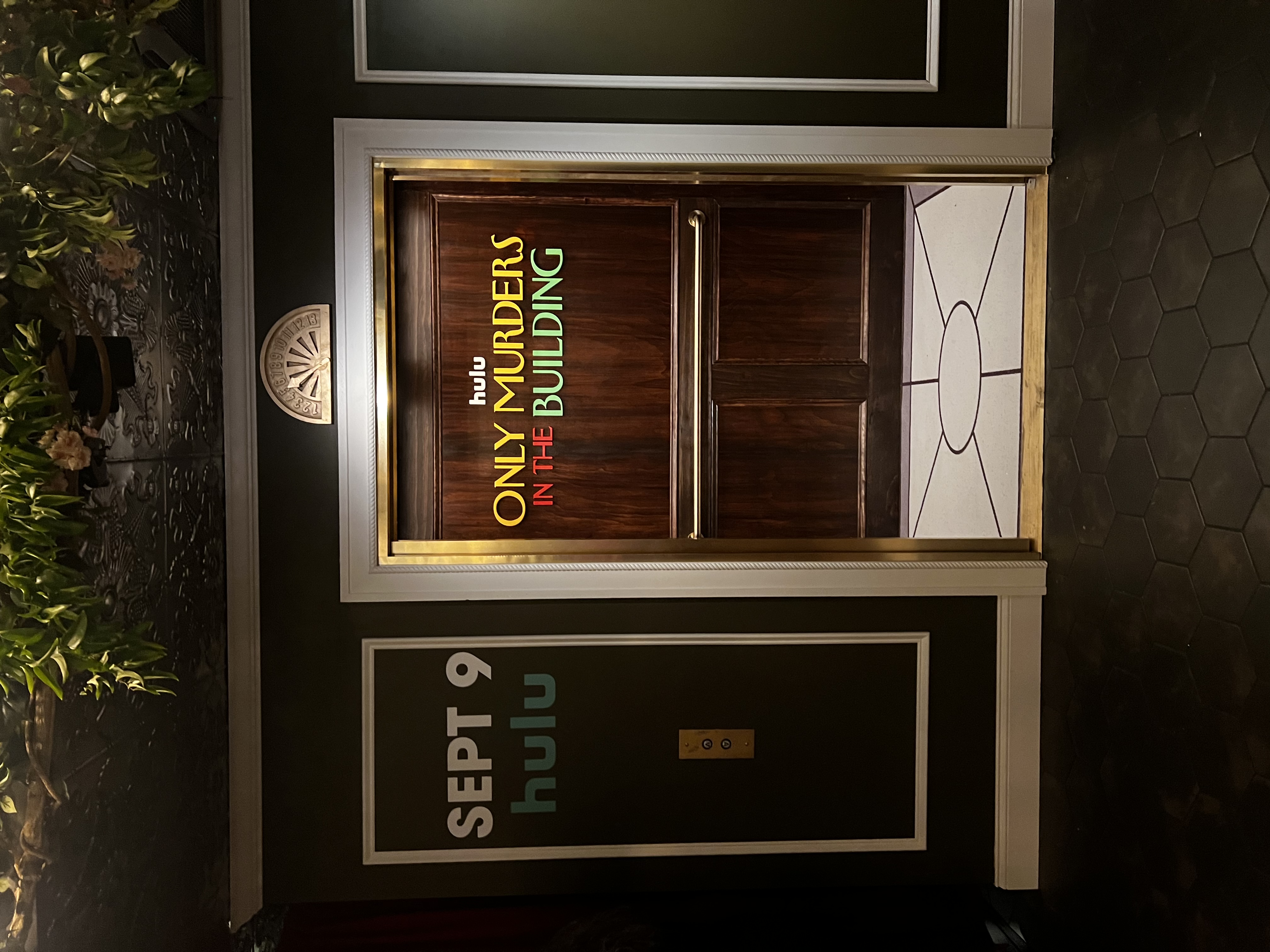
The work requires equal parts spatial reasoning and creative fidelity. A prop sourced from a 2D AI image needs to be modeled from scratch, matched to a specific aesthetic, and dropped into a scene that will eventually become a physical environment someone builds and lights and shoots in. The render isn't the final product. It's the argument that the idea is worth building. Getting that argument right, quickly, is what I'm there for.